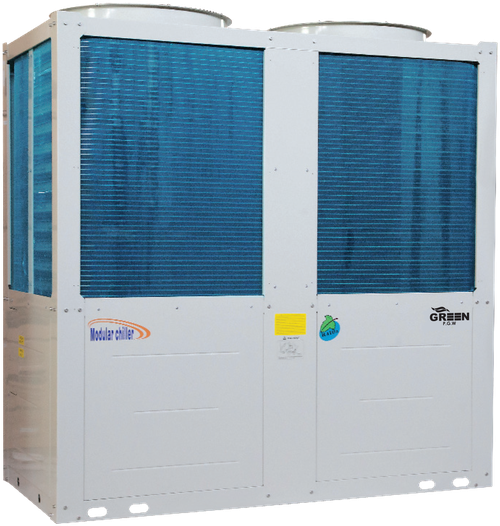
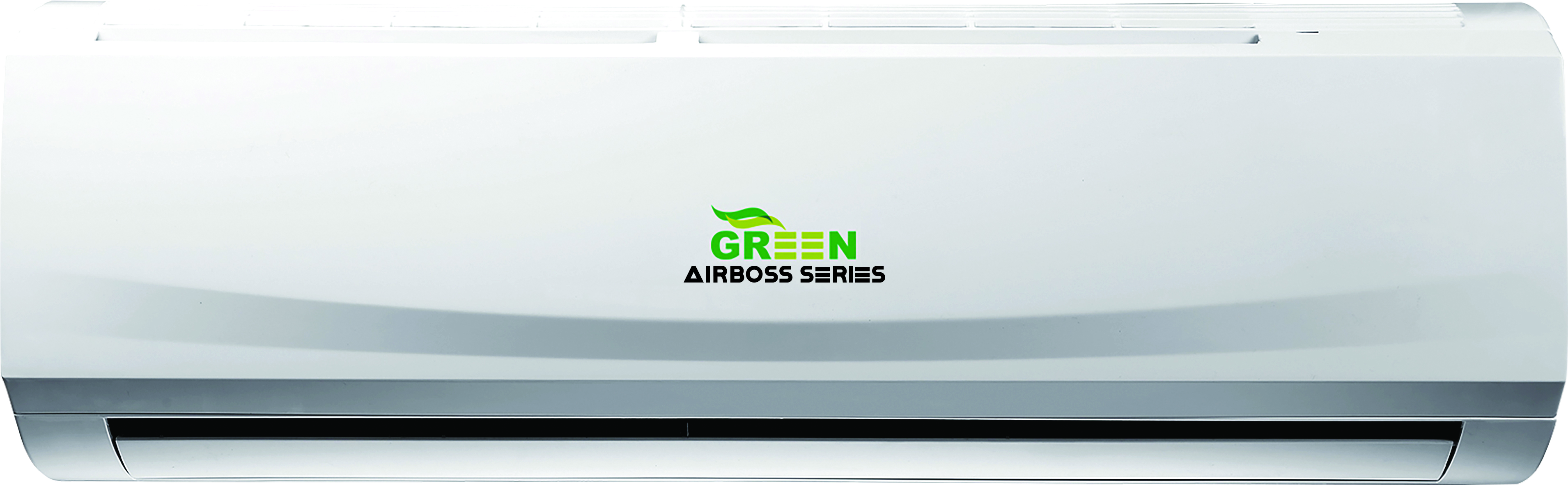
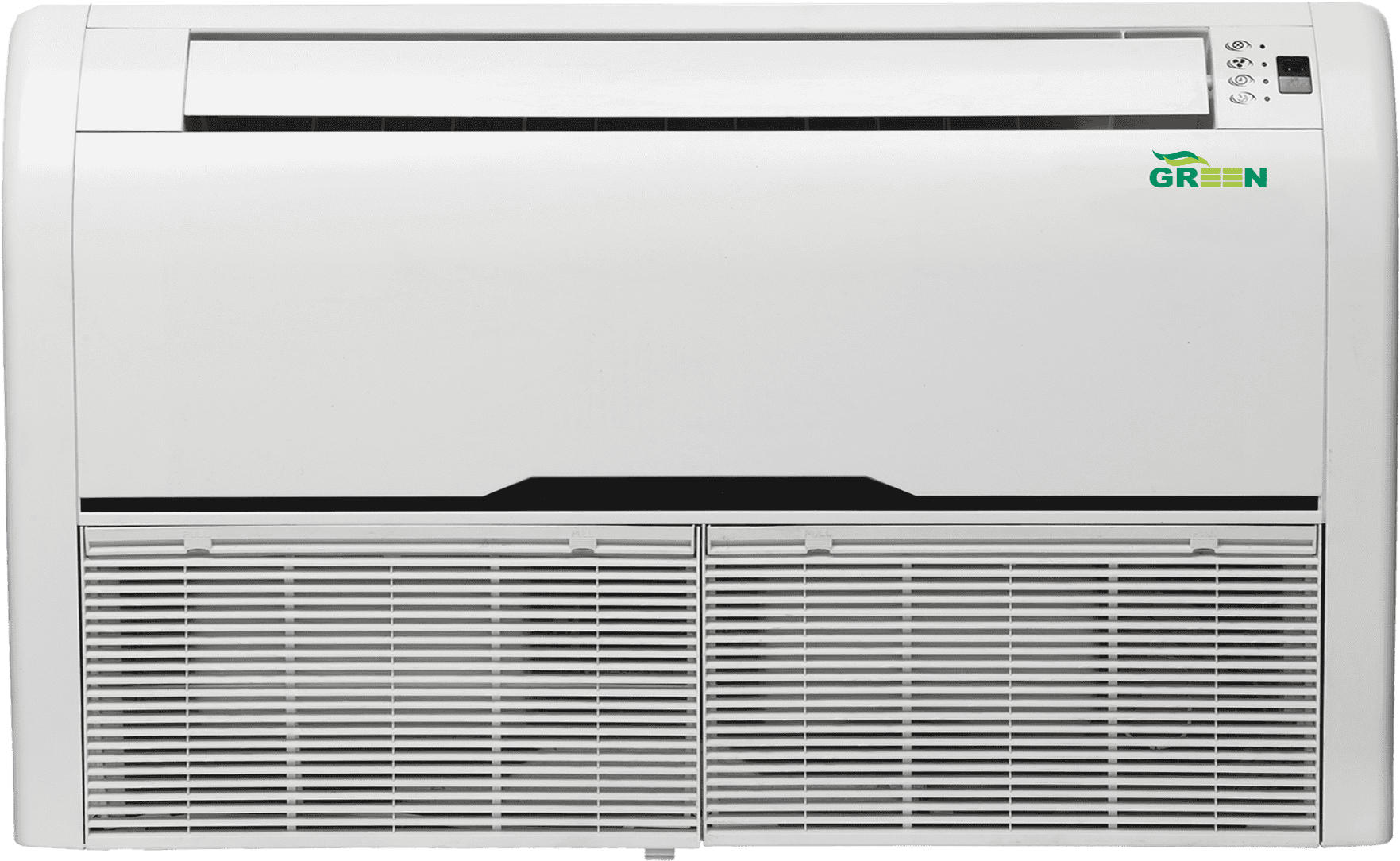
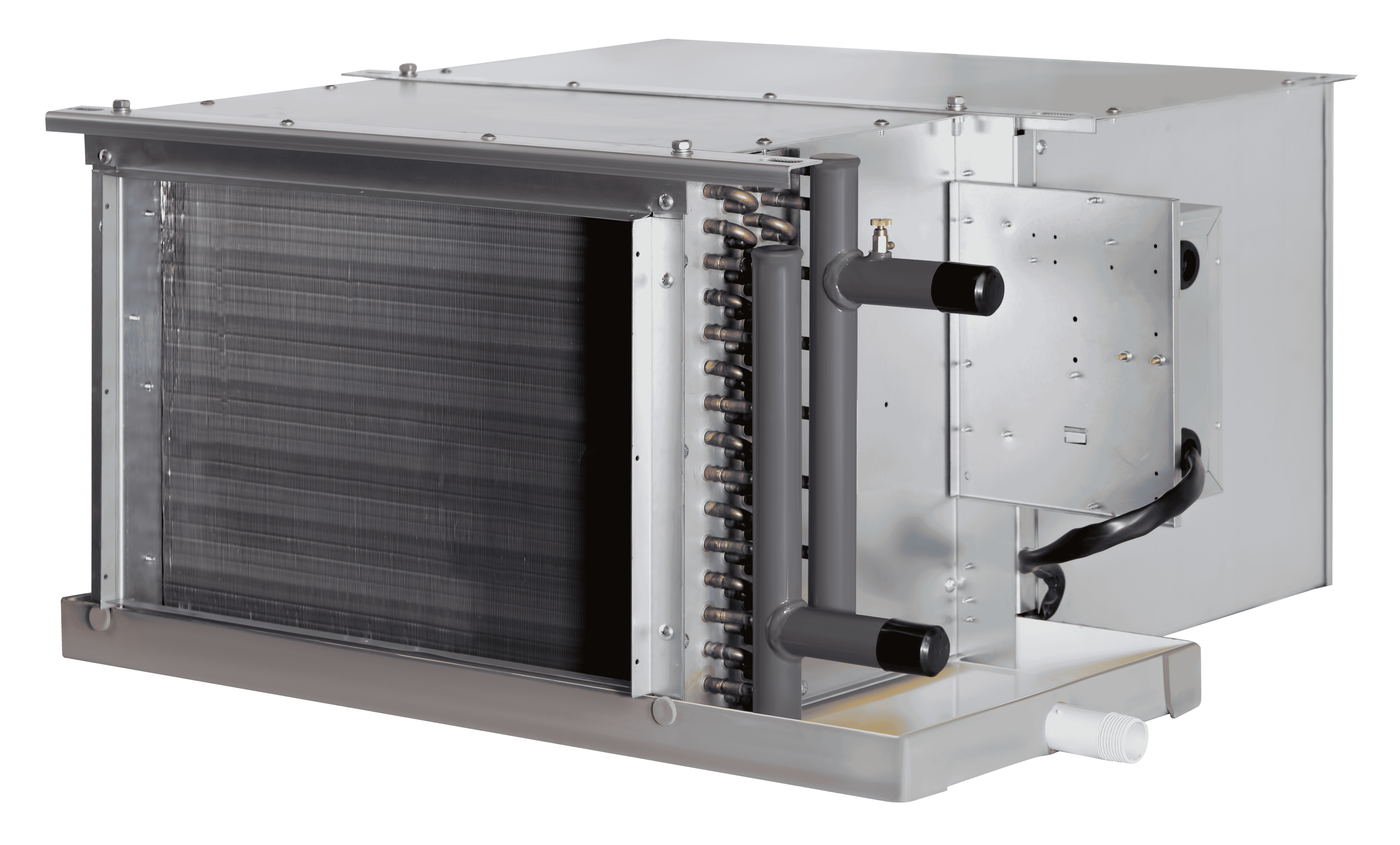
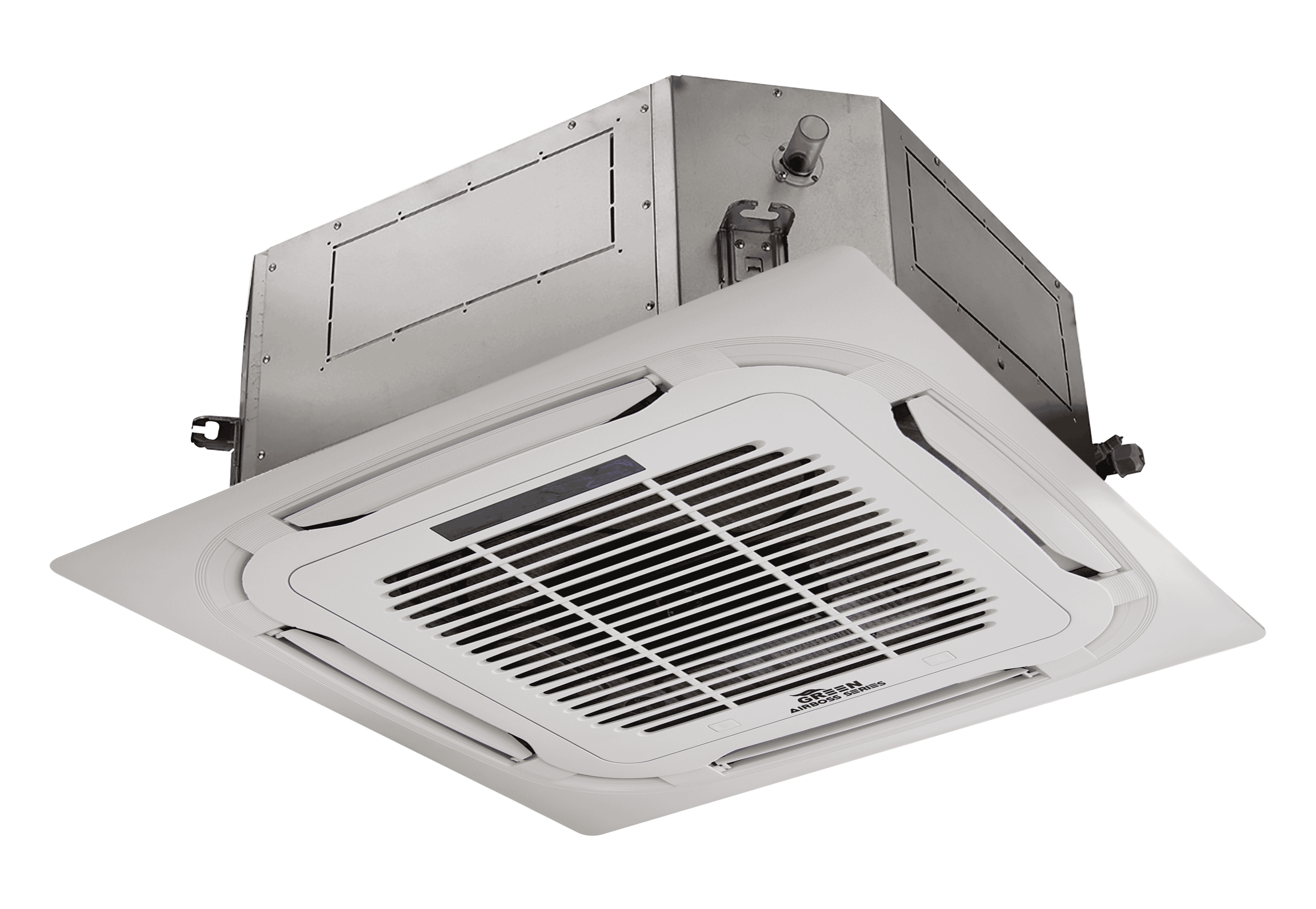
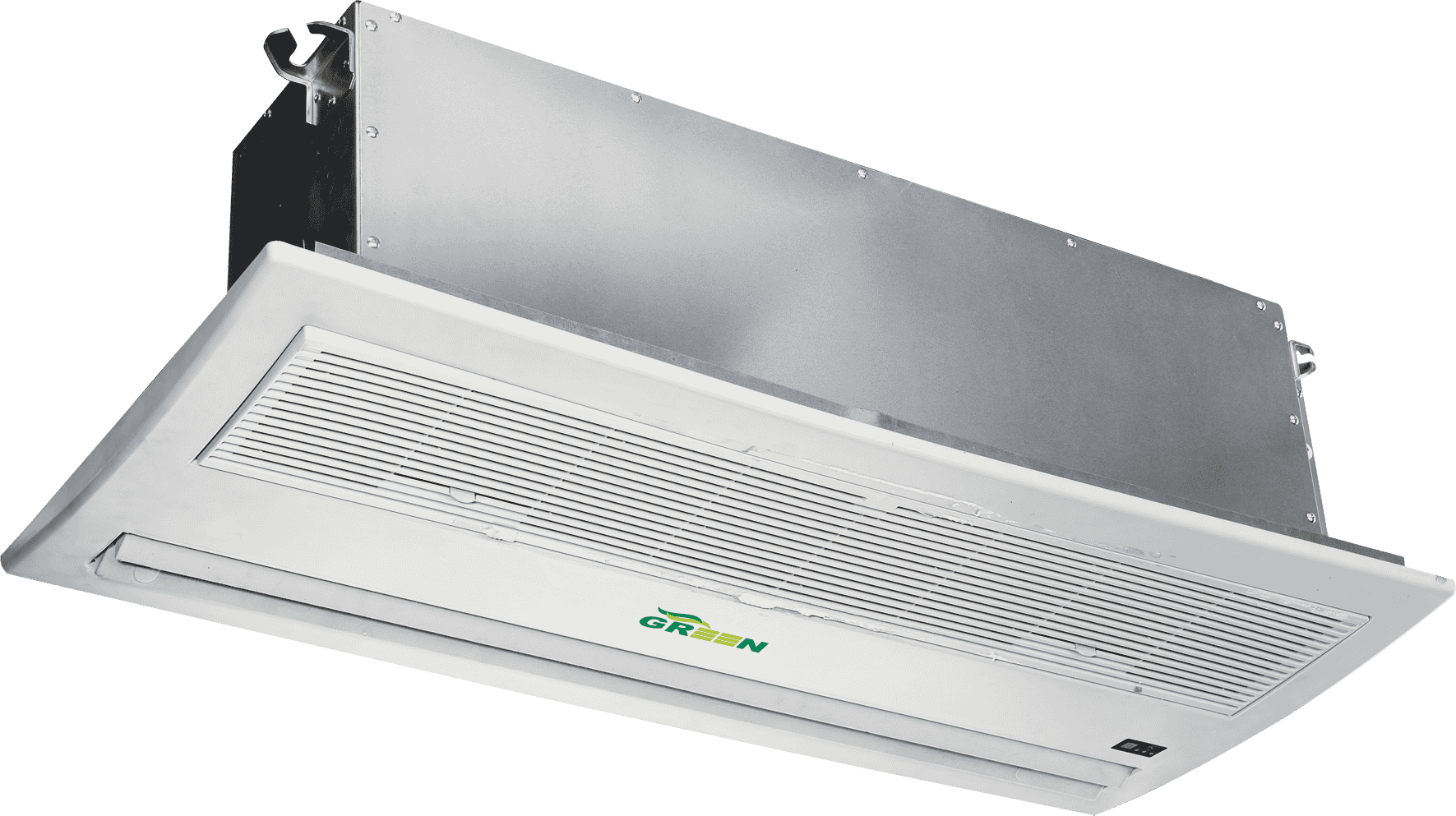
A fan coil system consists of a base with the purpose of blowing and distributing coil. The coil is typically made of copper or aluminum tubes.
Fan coils are one of the most important components of all-water HVAC systems and can be used for residential, accommodation (hotels, motels, etc.), exhibition, office and commercial applications. Fan coils are used as cold or hot air distribution devices. One of the features of fan coils is that they can be used alongside various types of chillers (compression or absorption chillers).
Today, fan coils are manufactured and supplied in various designs based on installation location and type of use: Cassette - one-way, Cassette - four-way, Concealed and floor-mounted/wall-mounted, Ceiling-mounted ducted
Fan and electric motor: For circulating the air being ventilated. Heat coil: Used for heat exchange between ventilation foil and water circulating inside the coil. Air filter: Used for cleanliness. Air in the coil prevents water flow inside it and besides disrupting coil operation makes it porous. Mesh metal filter: Designed to separate and prevent entry of deposits released from coil deterioration and prevent deposits from entering the false ceiling. Supply and return plenum: The plenum is a device that encompasses air temperature and pressure and enables air venting in the fan coil by installing an air vent. The return plenum's function is to direct air leakage from the ventilated space and prevent non-standard and unhygienic air from false ceilings entering the space.
Without HVAC experience, it's completely clear that the smallest air in the ventilated space is never stationary, therefore the most fundamental method of capacity control in fan coils is changing the amount of water inside the coil. In this regard, one-way valves like zone valves or three-way valves that generally don't cause problems during coil shutdown periods should be used. However, for applications that don't require such sensitivity, the method of speed variation by turning the device fan on and off using conventional thermostats is also used.
Plastic fans are made of polyamide and with the installation of quiet electric motors and effective blade design, allow the device to operate with maximum air delivery and minimum noise. Careful manufacturing and balancing of plastic fans and avoiding metal fans, besides reducing device weight, maintains sufficient strength while preventing vibration issues. Additionally, reducing electric motor power decreases electricity consumption and related costs.
Fan coil type selection is made after determining its capacity and depends on various factors including space usage, architectural conditions, and the allocated budget for device installation.
Fan coil features include: • Different mode capabilities • On/off stability • Later operation in sleep mode • Washable filter • Hygienic operation • Anti-fungal and anti-mold function • Multiple speed capabilities • Upgrades • Equipped with plenum and manual air vent